Meet Our Featured Artists - 2027


2027
Keynote Speaker
Presented by
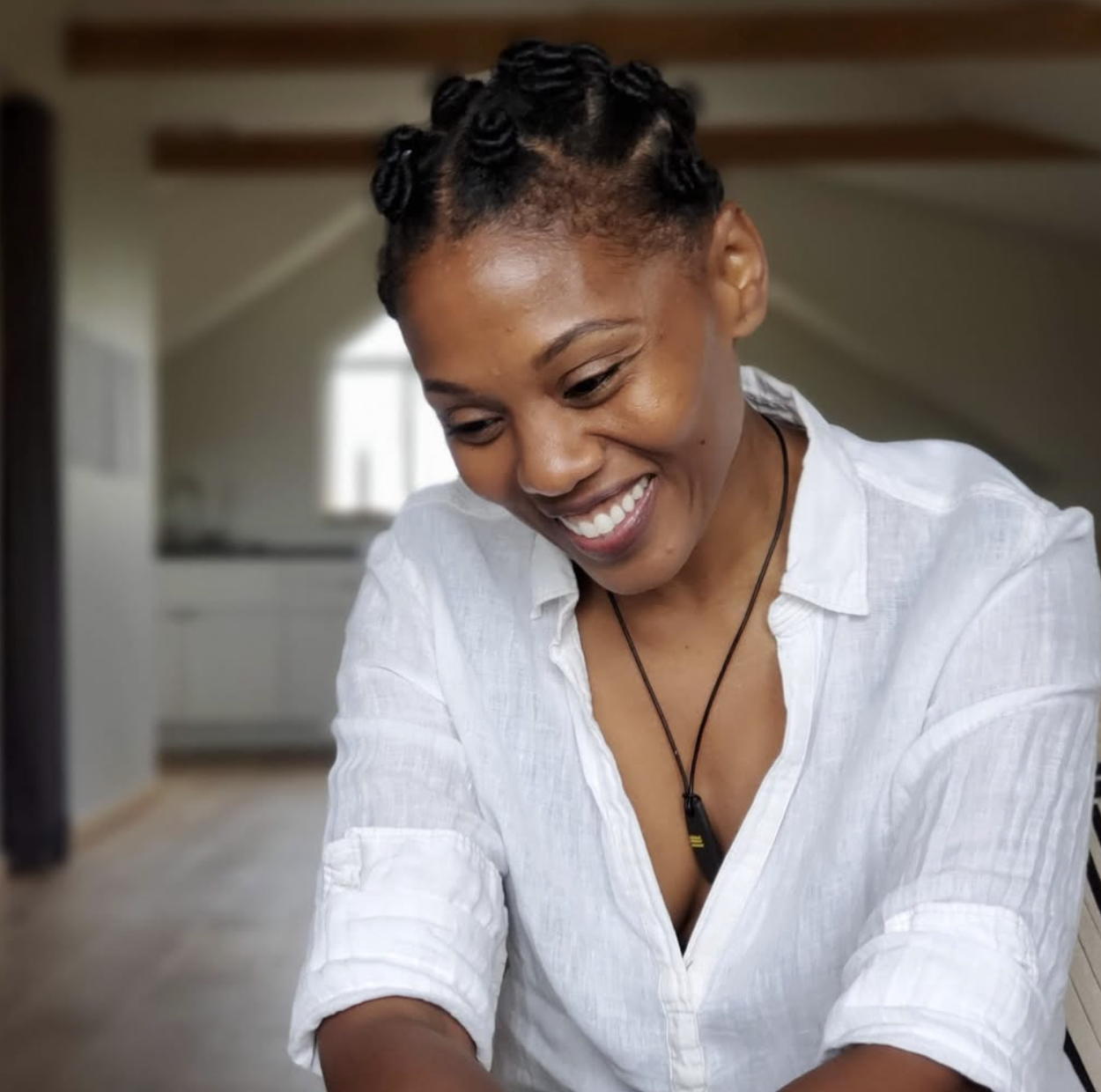
Kristina Batiste
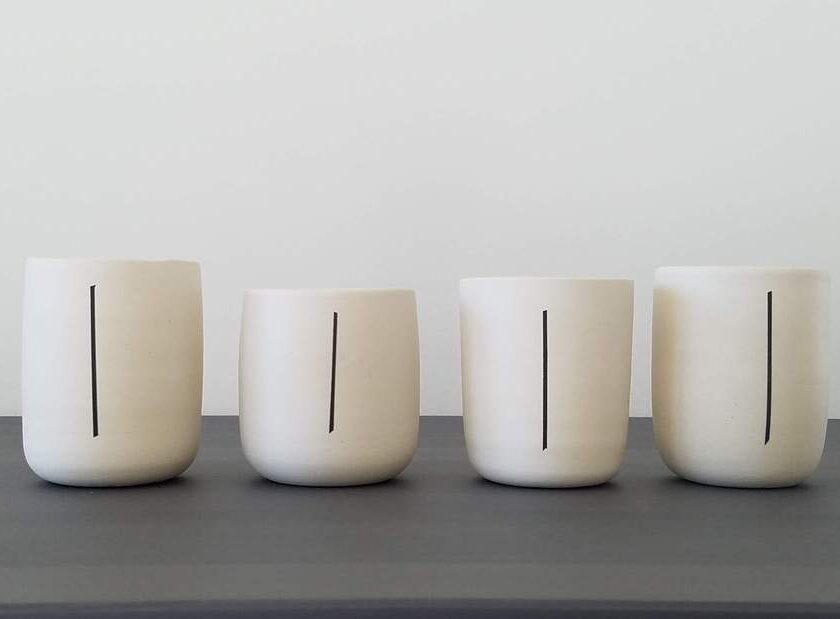
Juniper Clay
Mini Presenters
Lectures, demos, or workshops - 90 minutes is never enough time, but they will try.
Bish Christensen
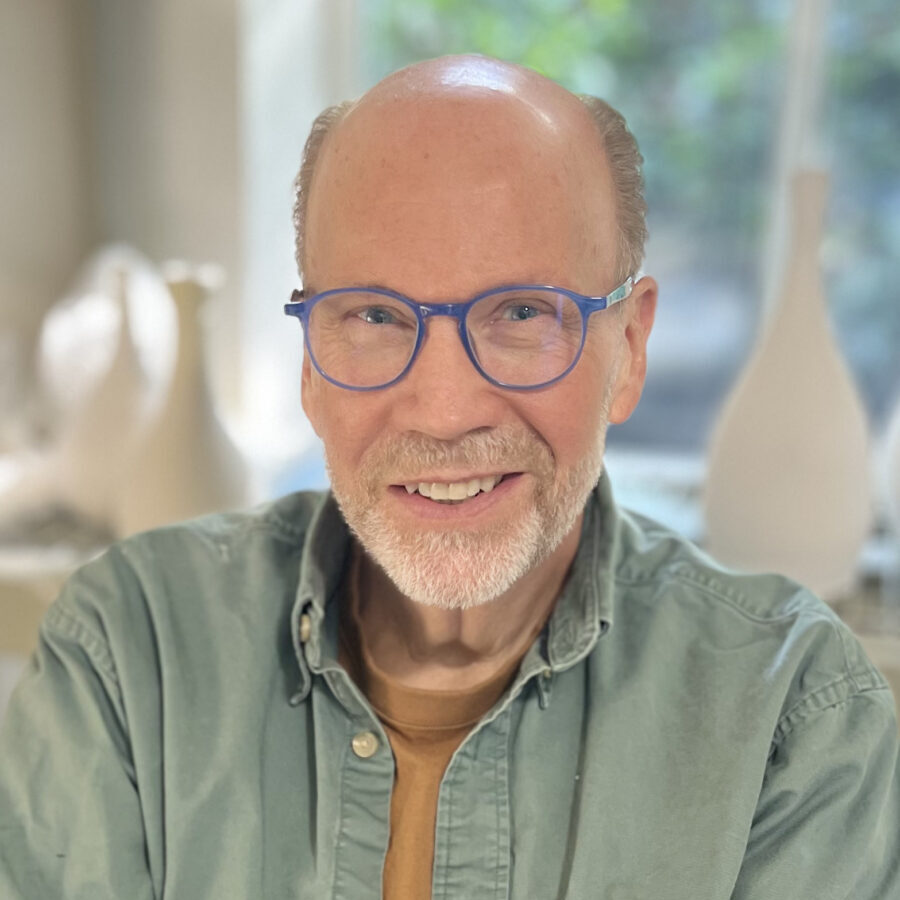
Construction and Use of a Trash Can Kiln
The proposed presentation will show that constructing a kiln from a trash can and other widely available parts and materials is accessible and can be done at low cost with basic tools and skills. The presentation will also show and demonstrate firing techniques that can easily be completed in the aforementioned kiln.
The ultimate objective is that attendees will walk away with vision and motivation that they can build a low- cost kiln that will allow them to explore alternative firing techniques.
Cindy Glad
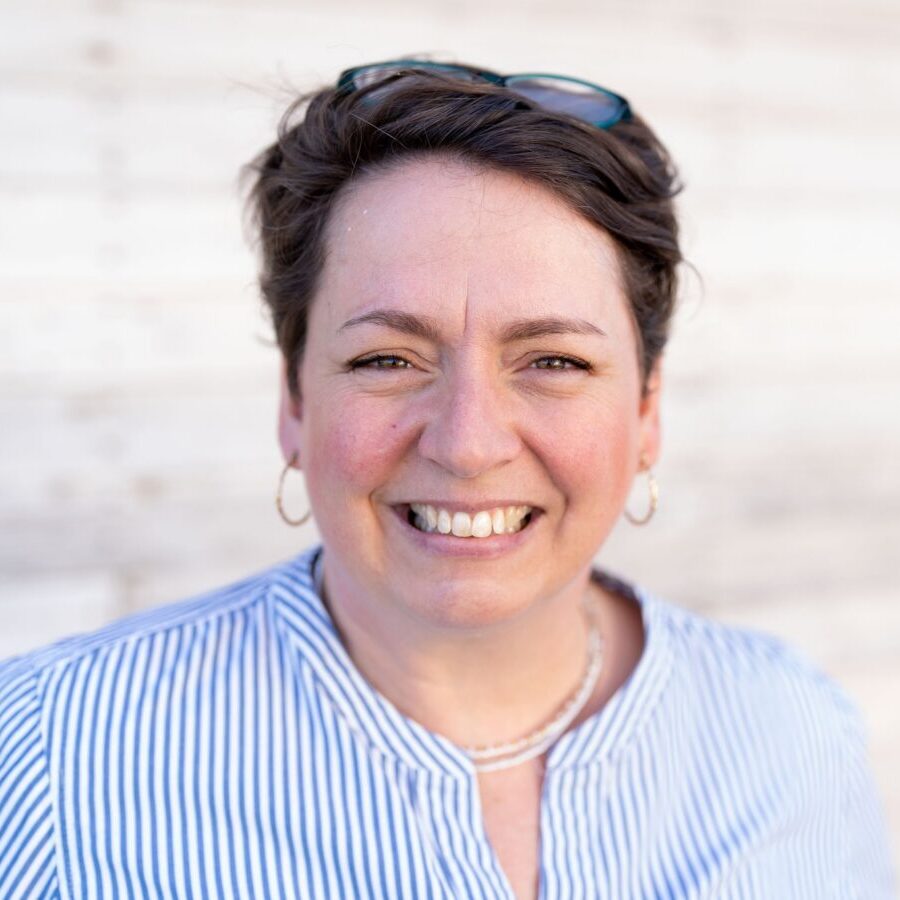
Slip Trailing, Oxides, and other Decorating Techniques
I would like to share my multi-step process of creating highly decorated, slip-trailed pottery. I want to focus mostly on my method of applying oxide washes and commercial glazes to these bisqued, slip trailed forms. I could focus a few minutes on slip trailing with clay, but would like to use the bulk of the time demo-ing my process of using squeeze bottles and fine tip brushes and wax to apply the many glazes I use on a single piece. I would cover the why’s and how’s and tools I use to accomplish clean, detailed decoration with only basic commercial glazes. No spray booth, no underglazes, 100% commercial glaze and iron oxide wash.
Deb Ouzts
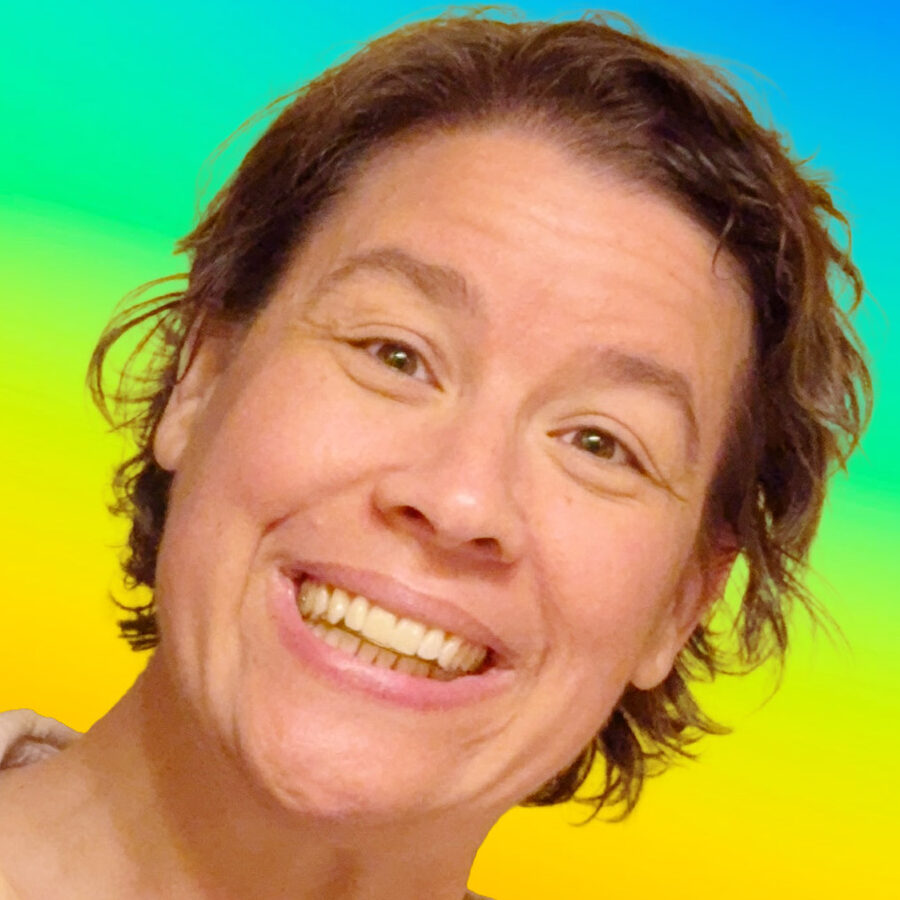
How I Turned a Simple Clay Character (Nuggets) into a Joyful, Sell-Out Art Practice Using Simplicity and Personality
How do you turn a simple clay idea into work people emotionally connect with—and can’t wait to collect?
In this presentation, ceramic artist Deborah Ouzts shares the development of Nuggets, a series of playful clay sculptures that grew from a single spontaneous moment into a recognizable, sell-out body of work. Through storytelling, process insight, and a live demonstration, Deb explores how simplicity, personality, and intentional visual storytelling can transform small ceramic forms into meaningful, collectible art.
This session will walk through the creative evolution of the Nuggets, from early experimentation to building a cohesive visual identity and sharing work in a way that resonates with audiences. Attendees will gain insight into how character can be developed through simple design choices, how consistency can strengthen an art practice, and how storytelling can deepen connection with collectors.
A live and interactive demonstration will show the creation of a Nugget, highlighting how approachable and adaptable this process can be for any ceramic practice.
This presentation is ideal for ceramic artists who want to develop their creative voice, build connection with their audience, and create work that is both sustainable and joy-driven.
I think all I will need for it will be a way to show a slideshow and a bag of Dover White clay. I will bring examples and I want to have everyone make a Nugget that they can leave and then I will glaze for donation. I will bring a stamp for everyone to keep.
Jacky Denaway
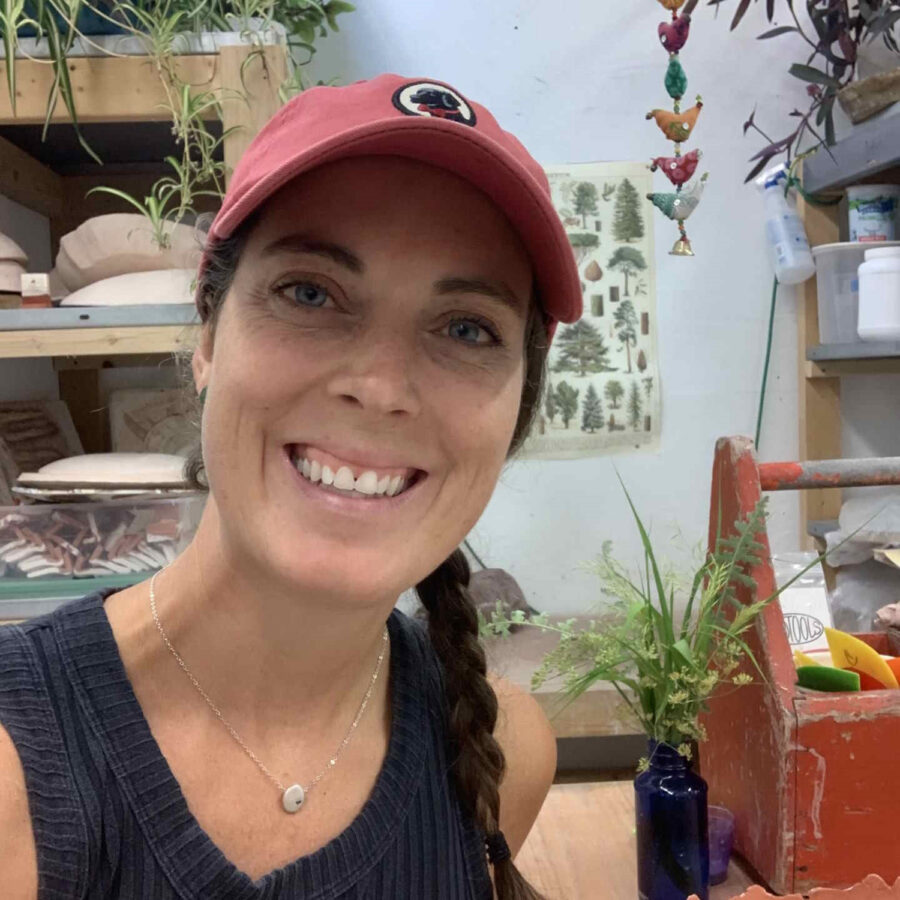
Presented by
Presentation Description-
The jiggering and jollying process was the answer I arrived at when trying to solve a studio problem: how to reproduce vessels efficiently in order to focus on surface research and application. My problem was that I didn’t have the room for a slip casting set up and could not throw multiple vessels on the wheel because of physical limitations. These restrictions led me to adopt the historically commercial process of jiggering and jollying. With the adoption of this process, I also had to adopt a design mindset. I created a prototype and implemented a mold making system as well as designed and cut unified profiles for cutting molds and making vessels. This system, when used with the jigger arm, allowed me to make custom molds that attached to my wheel head. These molds were then used to reproduce pottery forms.
There are not a lot of resources available for potters who are interested in bringing the jigger/jolly process into their studio practice. My intention with this presentation is to share my knowledge with other makers so that they be more informed about the jigger jolly process and can utilize it in their own practice to extend their abilities and time in the studio.
Laura Williams
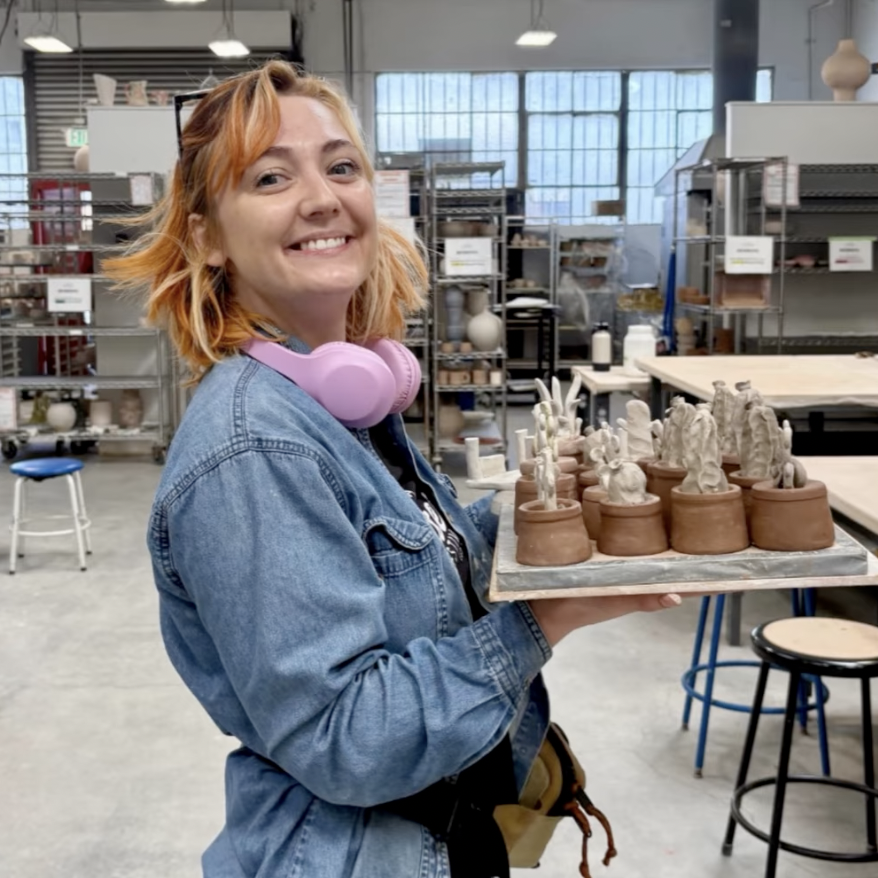
Cartooning on Clay: Playful Approaches to Drawing and Translating Images onto Clay.
Explore cartooning as a drawing philosophy. What does it take to loosen up and make compelling narrative images? Practice of course! Begin the lecture with some drawing exercises designed to inspire and play. Learn how the ceramic material can inform images. Look at underglaze as a medium for translating your ideas onto greenware and bisque ware. Look at sgraffito, inlay, “water coloring” with underglaze, color mixing, underglaze pencils. Creating quick expressive small scale sculptures will also be discussed.
Mandy Henebry
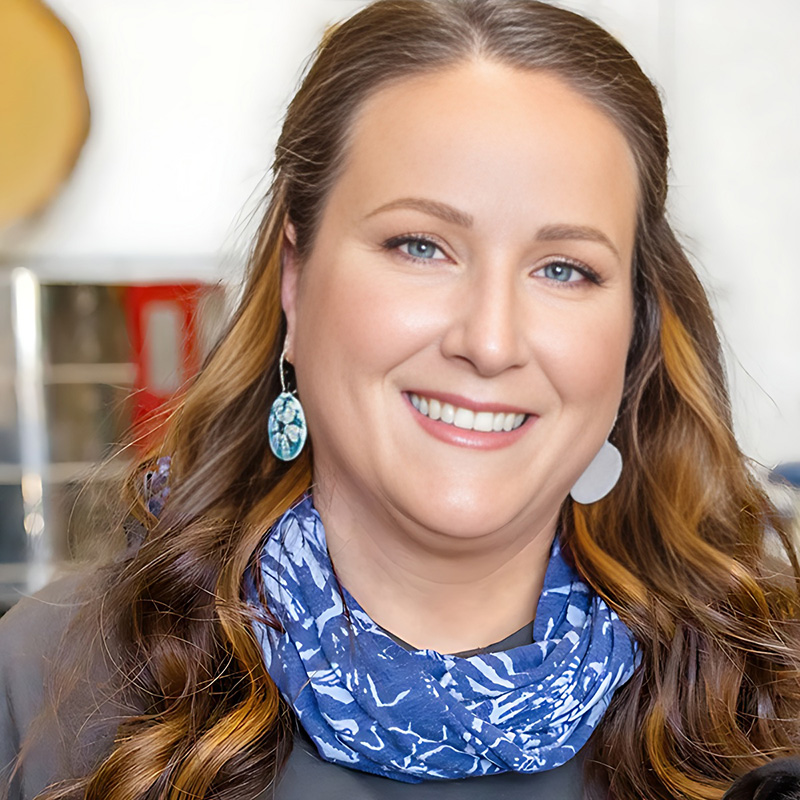
Applying stencils to curved surfaces
I would like to show how/talk about how I make my patterns and apply them to the clay. Tips, techniques, and tricks to applying a flat plastic stencil to curved surfaces.
Meghan Conatser
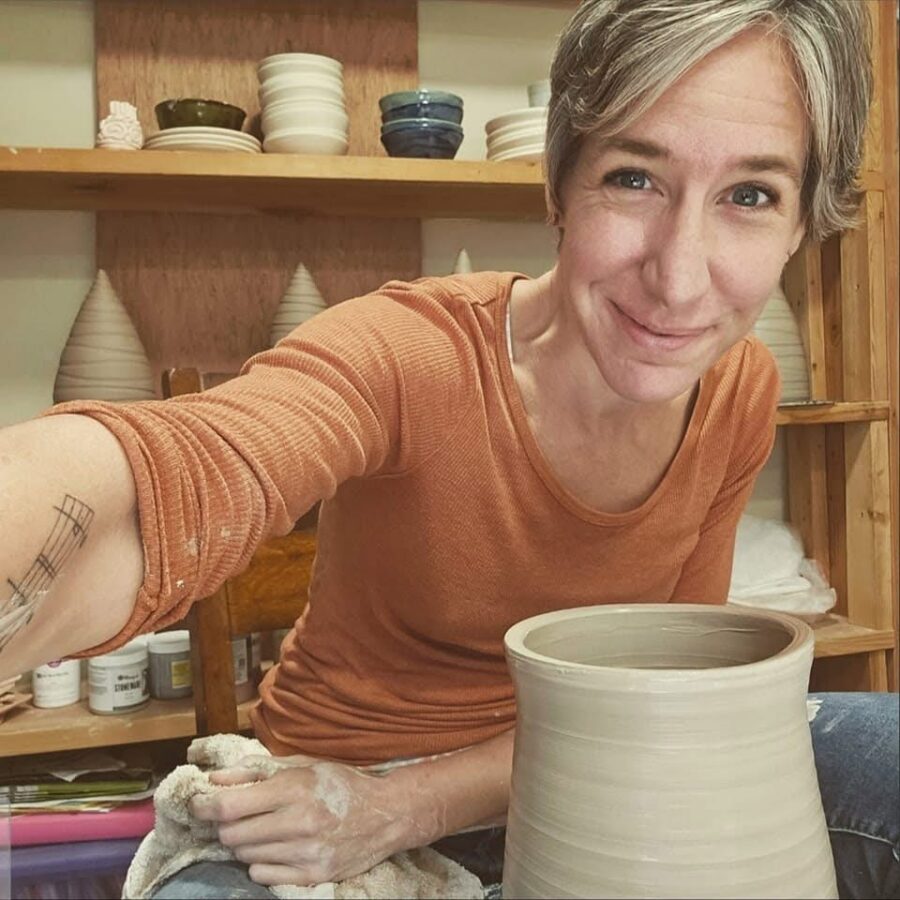
Marbling Clay Techniques I have Learned over the Years
A technique I have explored over the years is marbling clay. I have developed a technique that takes two different clay bodies and combines them in a way that creates a unique, nuanced surface. My demonstration will include the following:
- Discussion of how I choose my clay bodies
- Instruction for slicing and layering the clay and the thought behind layering sizes
- Demonstration of slicing and layering
- Demonstration of 2-3 different techniques I use to continue combining the clay
- Alternating slicing and layering as the clay block is rotated
- Wedging - demonstration of spiral wedging vs Ram’s head method with the marbling
- Slicing and slam wedging
- Cutting and weighing balls of clay
- Throwing demo
- Discussion and demo for removing the surface slip layer created when throwing to expose the marbled clay underneath.
- If time -- Demo using the heat gun to dry the surface of the thrown pieces to demo more carving and faceting options to play with the marbling patterns on the surfaces.
- Discussion of using trimming tools to expose (and demo if possible to throw the day before and have leather-hard pieces on-site)
- Discussion of finishing options (clear glaze vs leaving unglazed and natural)
Ryan Durbin
Presented by
Affordable Atmospheric Firing: Converting an Electric Kiln to Cone 6 Soda
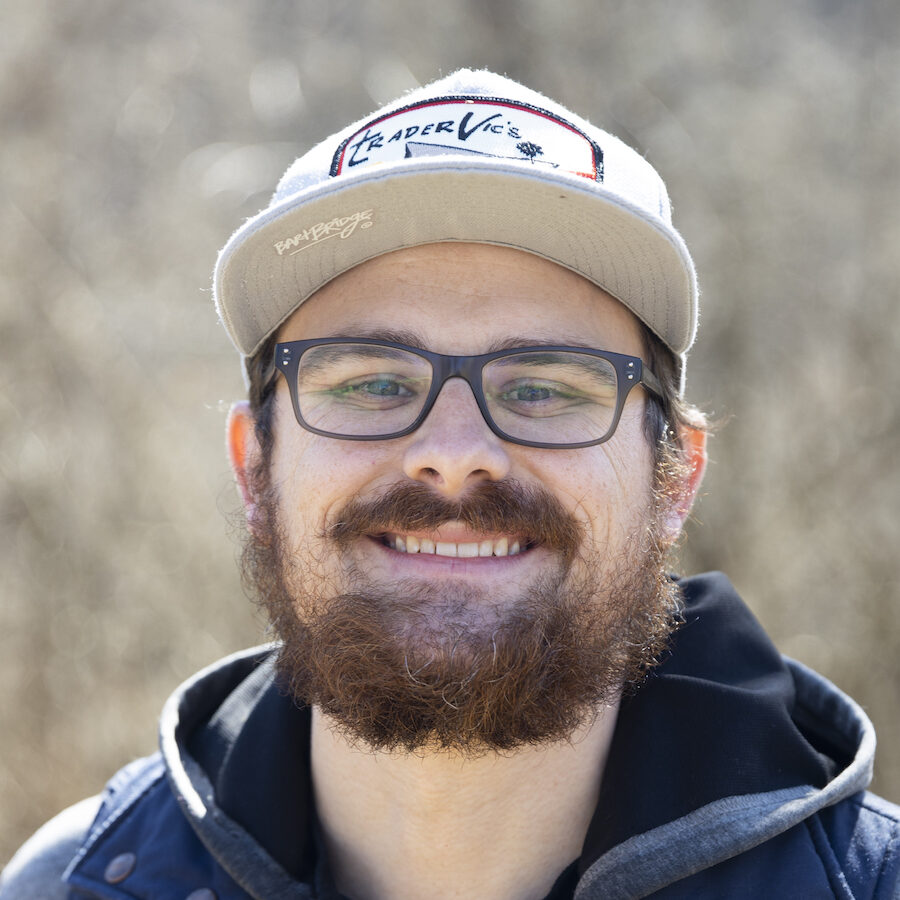
Atmospheric firing often feels out of reach for potters working in home studios due to the cost and space requirements of traditional gas kilns. In this presentation, Ryan Durbin from RD Ceramics and co-host of Wheel Talk Podcast will share how he converted a discarded top-loading electric kiln into a propane-fired cone 6 soda kiln capable of producing rich flashing, varied surfaces, and atmospheric effects in a home studio setting.
The presentation will walk attendees through the design and construction process, including modifications to the kiln body, burner placement, chimney design, insulation considerations, and safety practices. Ryan will discuss how the original soft brick kiln body was preserved and reinforced with a high-alumina castable interior to withstand repeated soda firings. Drawing from more than 20 successful firings, he will share lessons learned
throughout the build and firing process, along with practical recommendations for potters considering a similar project.
In addition to the construction process, attendees will see examples of finished work fired in the kiln and learn about soda introduction techniques, firing schedules, surface development, and how cone 6 soda firing differs from higher-temperature atmospheric firings. The presentation will include both successes and failures, offering attendees a realistic understanding of what to expect when building and operating a small soda kiln.
This presentation is intended for ceramic artists interested in atmospheric firing who are looking for a more approachable and affordable path to building their own soda kiln.
Sarah German
Weaving Colored Clay
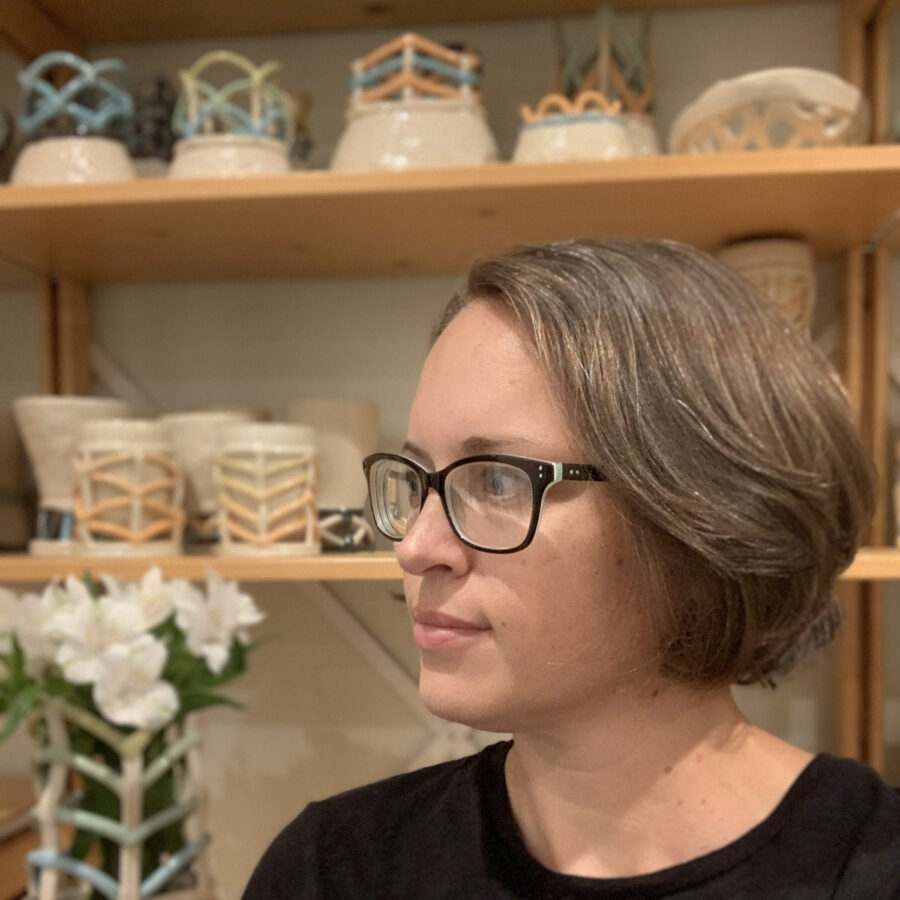
Sarah will demonstrate her techniques for building woven coil structures to create functional clay pieces. Learn how Sarah colors her clay, lays out her architecturally inspired patterns, builds them through weaving coils, and combines them with solid forms to create delicate but strong pieces.
Shana Salaff
Projected Images: Finding the Right Perspective
Many ceramic artists find decorating difficult. I have found that working with projected images makes it so easier, and I get a more fluid line, brush or carving quality when I have an image to work with. I plan to demonstrate how to use three different kinds of projectors to project images onto pots. The one I mainly use is the old school overhead projector that takes printed transparencies. I will also demonstrate using a digital projector attached to a computer and using a small portable projector that attaches to a phone. I will share at least three different techniques including 1) carving into leather hard clay with an exacto knife, painting on leather hard clay with underglaze, and using underglaze on bisque. I will bring pieces in various stages of development to be able to share the later processes of decoration including glaze inlay into carved pattern and painting and trailing glaze within and around pattern.
After the demonstration, I will hand out a package with images and notes for the participants to take home. I will also allow participants to experiment with the projectors using pencil on paper so that they get the idea. I will bring two transparency projectors, two digital projectors and one or two portable projectors as well as image material. I will provide all the additional tools and brushes. I will need sufficient electrical outlets/extension cords to run 5 machines. I will also need some kind of wall or board surface to tape paper for students to experiment with, as well as tables to support the projectors at working height.
Stephen Heywood
Throwing Closed Forms on a Pottery Wheel
In this presentation I will focus on throwing closed forms on the pottery wheel. I will demonstrate techniques to throw various forms including spheres, doughnuts, angular and faceted forms and double walled forms. I will discuss and show a number of potential projects or ways in which this technique could be used in one’s daily ceramic practice.